




Most cricket tournaments do not fail because of a bad pitch. They fail because somebody forgot something small: the ground permission letter that was never collected, the two teams that paid the entry fee in cash with no receipt, the fixture that put the same team on two grounds at the same time. A cricket tournament organizer checklist exists to catch exactly those things before match day does.
This guide is that checklist. It is written for the people who actually run tournaments in India: the society secretary organizing a weekend box-cricket league, the HR team planning a corporate T10, the club that runs a 16-team leather-ball championship every winter, and the franchise-style organizer who wants an IPL-type auction before the first ball. Work through it phase by phase, tick the boxes as you go, and print the master checklist at the end for your volunteers. A complete cricket tournament checklist covers eight areas, roughly in this order:What should a cricket tournament organizer checklist include?
Why do cricket tournament organizers need a checklist?
Because a tournament has far more moving parts than it looks like from the boundary. Even a small 8-team weekend event involves a ground owner, two or more umpires, scorers, 100-plus players, team captains who all want the morning slot, sponsors who want their banner photographed, and parents or spectators who want to know the score. Each of those people depends on a decision you made weeks earlier.
A checklist does three things for you. It forces decisions into the right order (you cannot publish fixtures before you know the team count, and you cannot confirm the team count before registration closes). It makes delegation possible, because a volunteer can own "Phase 3" without you explaining it. And it leaves a record, so that when a captain says "nobody told us about the bowling restriction," you can point to the date the rulebook was shared.
If you want the broader problems-and-fixes view of tournament management, our earlier article on eliminating manual cricket management problems covers that. This article stays focused on the checklist itself.
Cricket tournament planning timeline at a glance
How early you start depends on size, but the sequence stays the same. Here is a realistic timeline for a local or corporate tournament of 8 to 16 teams. Scale the weeks up for bigger events; do not compress the order.
| When | Focus | Must be finished before moving on |
|---|---|---|
| 6 to 8 weeks before | Format, dates, budget, ground shortlist | Format fixed, entry fee fixed, ground provisionally held |
| 4 to 6 weeks before | Sponsors, registration opens, rulebook draft | Registration link live, sponsor commitments in writing |
| 3 weeks before | Registration closes, fee follow-ups | Final team count known, all fees recorded |
| 2 weeks before | Auction or draft (if used), officials booked | Squads locked, umpires and scorers confirmed |
| 1 week before | Fixtures published, equipment bought, volunteers briefed | Every captain has the schedule and rulebook |
| Match days | Ground check, scoring, announcements | Results and points table updated the same day |
| Within 1 week after | Prizes, payments, stats, feedback | Accounts closed, thank-you messages sent |
Phase 1: Decide the format, dates and scope
Every later decision flows from these. Change the format after registration opens and you will be re-doing fixtures, budgets and rules at the same time.
Which cricket tournament format should you choose?
| Format | Typical match length | Best for | Watch out for |
|---|---|---|---|
| Box cricket (6 to 8 a side, 5 to 8 overs) | 45 to 60 min | Society leagues, evening and night events, small grounds | Needs clear boundary and wall rules; nets and lighting cost |
| Tennis-ball T10 | About 90 min | Corporate events, large team counts on one weekend | Many matches per day; strict time control needed |
| Tennis-ball or leather-ball T20 | 2.5 to 3.5 hours | Club and district tournaments, franchise-style leagues | Fewer matches per ground per day; umpire fatigue |
| Leather-ball 30 to 40 overs | Full day | Serious club cricket, selection tournaments | Ground quality, lunch, drinks breaks, higher budget |
Phase 1 checklist
Phase 2: Budget and sponsors
Write the budget before you announce the entry fee, not after. The entry fee should cover the fixed costs even if sponsorship falls through, and sponsorship should fund the extras: better trophies, a live-stream, a bigger prize pool.
Cost heads to list in your tournament budget
| Cost head | What to confirm | When it is usually paid |
|---|---|---|
| Ground rent | Per day or per match? Lights and generator included? | Advance at booking, balance before the first match |
| Pitch and ground preparation | Rolling, marking, matting or turf, boundary rope or flags | Day before each match day |
| Umpires and scorers | Per-match fee, travel, food; how many per day | End of each match day |
| Balls | Count per match plus spares; leather balls are per-innings in many tournaments | Bulk purchase before the tournament |
| Trophies, medals and awards | Engraving lead time; individual awards (best batter, bowler, player of the series) | Order 2 weeks before the final |
| Prize money | Mode of payment and who signs the receipt | Final day |
| First aid, water and tents | Kit, ice, drinking water per team per match, shade for players | Per match day |
| Printing and branding | Banners, score sheets, team sheets, ID cards if used | 1 week before |
| Live streaming and overlays | Camera, internet, operator; overlay screen for auction or score | Per event day |
| Software and tools | Registration, auction, scoring platform fees | At setup |
| Contingency | Rain delays, extra balls, replacement umpire | Keep aside; do not spend early |
Phase 2 checklist
Phase 3: Ground, permissions and equipment
Visit the ground at the same time of day you plan to play. A ground that looks fine at 11 am may have the sun straight into the batter's eyes at 5 pm, or a water-logged corner you did not notice in photos.
Ground and permission checklist
Equipment checklist
Phase 4: Teams and player registration
This is where most organizer stress originates. Teams register on WhatsApp, pay in three different ways, send player names as voice notes, and then change half the squad a day before the toss. The fix is one registration channel, one deadline, and one list that everyone agrees is the official one.
What should a cricket tournament registration form collect?
| Field | Why you need it |
|---|---|
| Team name and captain contact | Single point of contact for fixtures, disputes and payments |
| Player full name and mobile number | Identity, eligibility checks, match-day communication |
| Player photo | Prevents guest-player substitution; needed for auction cards and overlays |
| Playing role (batter, bowler, all-rounder, keeper) | Auction categories; balanced squads in a draft |
| Batting and bowling style | Useful for team owners in an auction and for stats |
| Age or date of birth, ID proof if required | Enforce age-group or residency eligibility |
| Jersey size and number | If the tournament provides kits |
| Emergency contact | Injuries happen; do not collect this on the day |
| Fee payment reference | Match every team to a payment; no "I paid Rahul in cash" disputes |
Phase 4 checklist
Phase 5: Player auction or draft (franchise formats)
Skip this phase if teams come pre-formed. If your tournament has team owners who pick players, an auction or draft is the single most watched event of the whole tournament, and the one where a dispute does the most damage. Publish the rules before bidding, not during.
Auction checklist
Phase 6: Fixtures, rules and match officials
Publish fixtures only after the squad-freeze date. Publishing early feels organized, but every late team withdrawal then forces a re-publish, and captains stop trusting the schedule.
Fixtures and rulebook checklist
Phase 7: Match-day checklist
If the earlier phases are done, match day is mostly about punctuality and communication. Give this checklist to your match-day coordinator and let them run it without you.
Before the first ball
During and after each match
Phase 8: After the final
The tournament is remembered by how it ends. Prizes handed over on time, sponsors thanked publicly, and a stats summary shared with every player make the next edition much easier to sell.
Common mistakes cricket tournament organizers make
These come up in almost every tournament we see organizers run. Each one is avoidable with a line on the checklist.
Announcing the entry fee before the budget
The fee ends up too low, and the organizer covers the shortfall personally.
Budget first, then fee
Fee × minimum teams must cover ground, officials and balls with zero sponsorship.
Accepting registrations in five places
WhatsApp, calls, Instagram DMs and a friend's notebook never add up to one list.
One form, one deadline
Every team, player and payment lives in a single registration record.
Publishing fixtures before squads freeze
One withdrawal and the whole schedule is re-sent; captains stop reading updates.
Freeze, then publish once
Set a hard squad-freeze date and publish fixtures the day after.
Deciding tie-breakers after a tie
Whatever you choose looks biased to the team that loses out.
Write the tie-breaker in the rulebook
Net run rate, head-to-head, or super over, decided and shared in Phase 6.
Scoring only on paper
Sheets get wet, go missing, and nobody can check the points table until late night.
Score digitally, keep paper as backup
Live scores keep teams, sponsors and families engaged and remove late disputes.
No backup date
One rain day collapses the whole schedule and the ground is booked by someone else.
Book the backup date with the ground
Announce it in the rules so nobody is surprised.
Printable master checklist for cricket tournament organizers
The short version of everything above, grouped by phase. Print this page or tick the boxes directly on screen while you work through your plan.
8 phases · 37 checks · one tournament
Tick on screen or print this section. Hand each phase to one person on your core team.
Format and scope
6–8 weeks beforeBudget and sponsors
6–4 weeks beforeGround and equipment
5–3 weeks beforeTeams and players
5–3 weeks beforeAuction or draft
2–3 weeks beforeFixtures and rules
1–2 weeks beforeMatch day
Every match dayAfter the final
Within 1 week afterWhere CrickHunt fits into this checklist
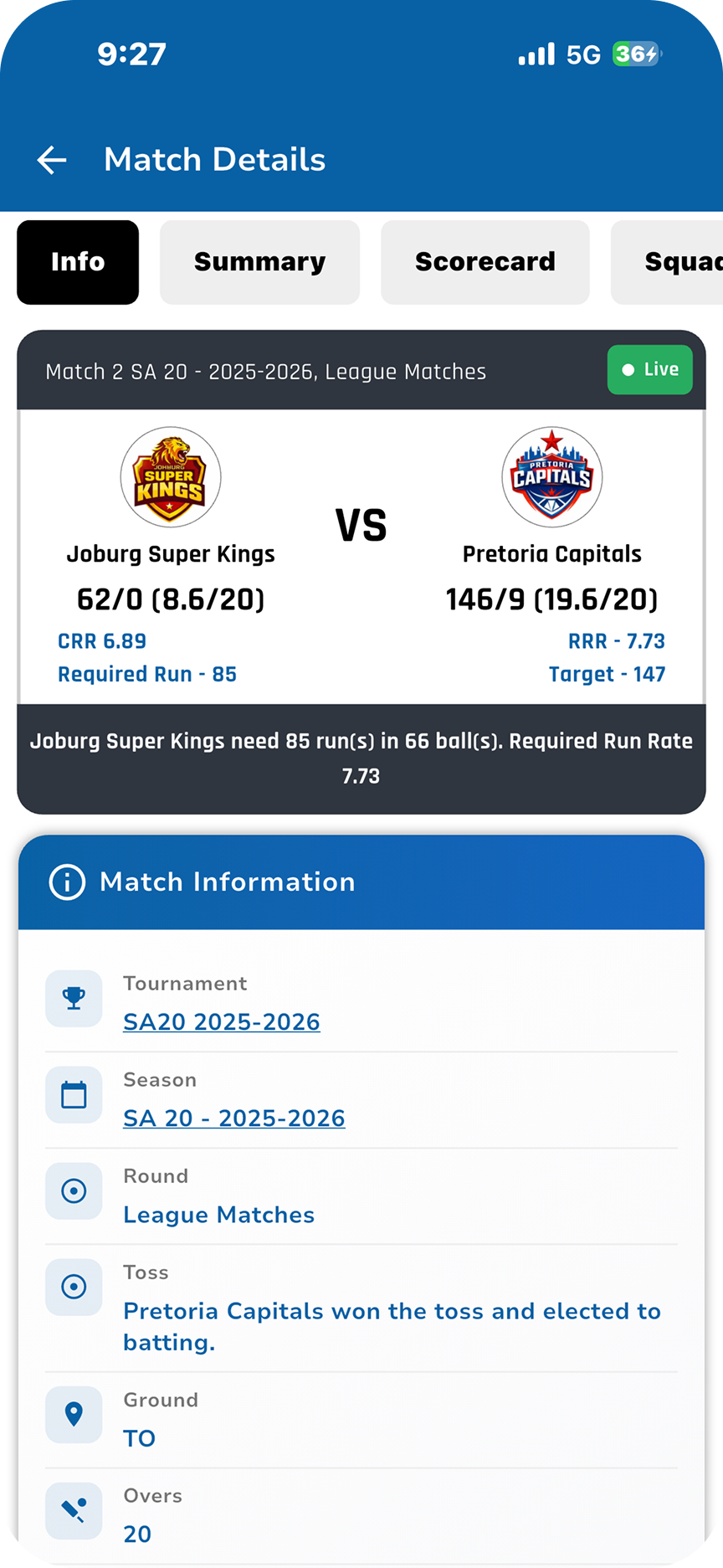
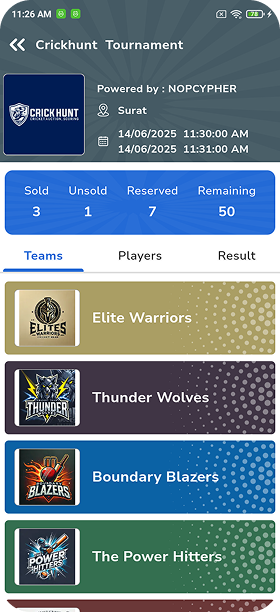
Everything above can be done with a notebook, a WhatsApp group and a spreadsheet. Plenty of organizers do exactly that. What a platform like CrickHunt (see the tournaments already running on it) changes is how many of those boxes get ticked in one place, so the team list, the auction result, the fixture and the live score all refer to the same players and the same teams.
Pricing is per auction and based on how many teams you have. The Standard plan is free for up to 2 teams, and paid plans run from Silver (up to 4 teams) to Elite (up to 30 teams); every plan includes unlimited players, team sponsors, season sponsors and custom banners. Current details are on the pricing page. If you are comparing tools, our article on 10 features to look for in cricket auction software lists what to check before you commit.
7 CrickHunt tips for cricket tournament organizers
These are the habits we see in the organizers whose tournaments run smoothly on the platform, edition after edition.
- 1
Open registration before you announce the auction date. Owners bid better when they can browse full player profiles with photos and roles for a week beforehand. Set your registration deadline at least five days before the auction.
- 2
Use custom registration fields for your own eligibility rules. Society flat number, employee ID, or home village: whatever your rule is, collect it at registration so verification is a filter, not a phone call.
- 3
Run a test auction with dummy players. Twenty minutes with your auctioneer and two owners on their phones removes almost every surprise on the real night, especially for remote bidders.
- 4
Put the overlay on a screen even for a small venue. A visible purse balance and current bid stops "I did not hear the price" arguments before they start.
- 5
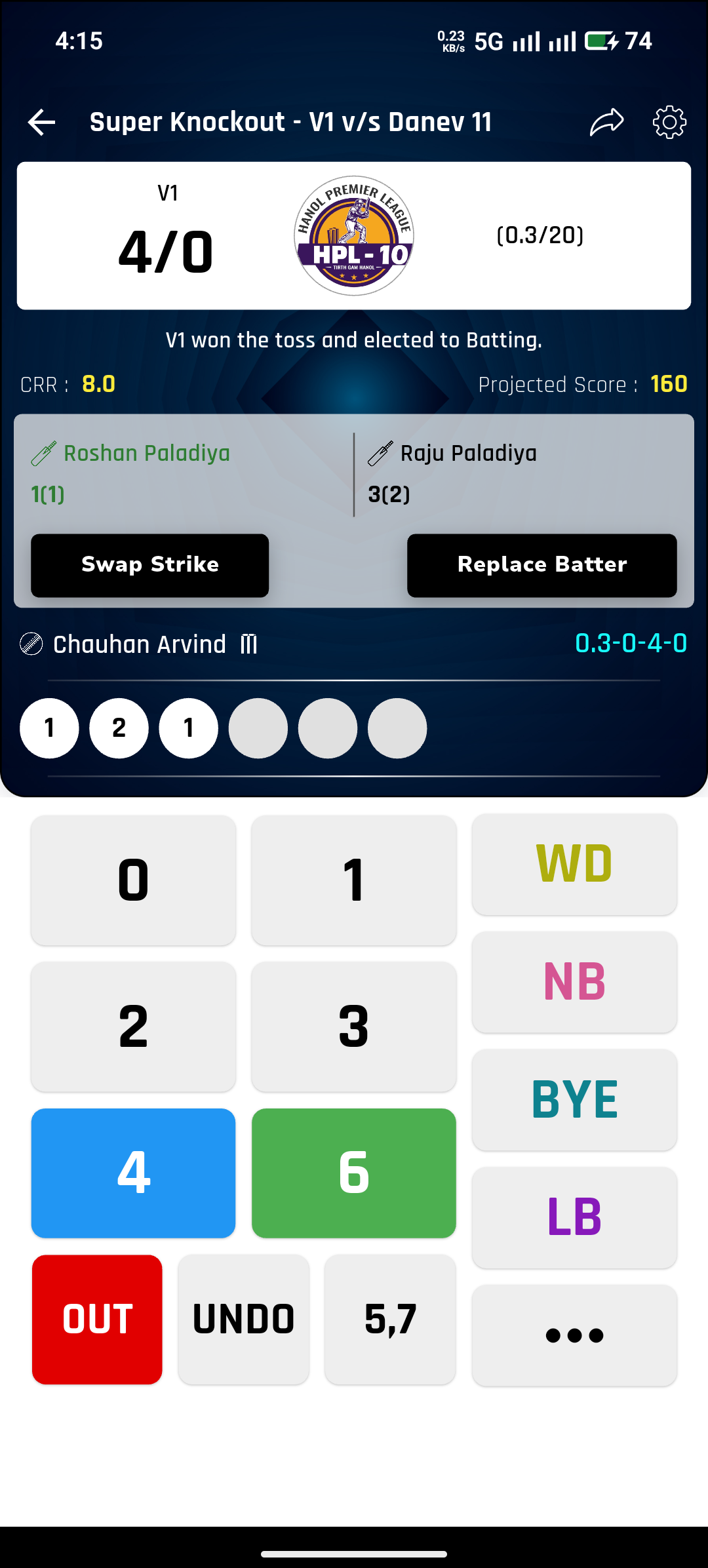
Assign one scorer per ground, not per team. Teams scoring their own matches is where disputes begin. A neutral scorer on live ball-by-ball scoring, with a paper sheet as backup, settles most of them.
- 6
Share the live score link in the captains' group before the toss. Players, families and sponsors follow along, and you stop fielding "what is the score" messages during the match.
- 7
Keep the tournament page live after the final. Published scorecards and stats are your best marketing for the next edition, and they make season-on-season player records possible.
Frequently asked questions about organizing a cricket tournament
How early should I start planning a cricket tournament?
Start 6 to 8 weeks before the first match for a local or corporate tournament of 8 to 16 teams. That gives you time to fix the format and budget, open registration for two to three weeks, hold an auction if needed, and still publish fixtures a week before play. Bigger leather-ball tournaments need 10 to 12 weeks, mainly for ground booking and sponsorship.
What permissions do I need to organize a cricket tournament in India?
At minimum, written permission from the ground owner or managing body (a school, society, club, or municipal corporation). If you expect a large crowd, use loudspeakers, or play under lights at night, inform the local police station and, where applicable, the municipal authority. Requirements vary by city, so ask the ground owner what previous organizers have needed.
How do I decide the entry fee for a cricket tournament?
List every fixed cost first: ground rent, umpires, scorers, balls, trophies, first aid and printing. Divide the total by the minimum number of teams you are confident of getting. That is the lowest fee that keeps you safe without sponsorship. Sponsorship should then fund prize money and extras, not the basics.
How many matches are there in a round-robin cricket tournament?
A single round-robin with N teams has N × (N − 1) ÷ 2 matches. Six teams play 15 matches, eight teams play 28, and ten teams play 45, before any semi-final or final. If that is too many for your grounds and dates, split teams into groups and use a knockout stage.
What should a cricket tournament rulebook include?
Playing conditions (overs, players, ball type, overs per bowler, fielding restrictions, wides and no-balls, free hit), points system and tie-breaker, rain and no-result rules, late-arrival and walkover penalties, eligibility and guest-player rules, a code of conduct, and the dispute process stating who decides and that the decision is final. Share it with every captain before fixtures are published.
Do I need a player auction for a local cricket tournament?
No. An auction is only needed when teams are owned by individuals or sponsors who pick players from a common pool, in a franchise-style format. If teams register as ready-made squads, skip Phase 5 entirely. If you do run an auction, publish purse, base prices, bid increments and squad rules before bidding starts.
What equipment is needed to organize a cricket tournament?
Match balls with spares, two sets of stumps and bails, boundary rope or markers, crease marking material, a scoreboard or scoring app with printed sheets as backup, a first-aid kit with ice packs, drinking water, shade for teams, a speaker for announcements, and power backup for whoever is scoring. Add floodlights or a generator for night matches.
Conclusion: a checklist is the organizer's best teammate
A cricket tournament is a long chain of small decisions, and most of them need to be made weeks before anybody pads up. This cricket tournament organizer checklist puts those decisions in the right order: format and dates first, budget before the entry fee, ground and permissions in writing, one registration list, auction rules before bidding, fixtures after the squad freeze, a match-day routine your volunteers can run alone, and a clean finish with prizes, payments and stats.
Print the master checklist, hand each phase to one person, and update it after every edition. The second tournament is always easier than the first, and the one after that is easier still. CrickHunt handles player registration, live auctions, fixtures and ball-by-ball scoring for local and franchise-style cricket tournaments across India. The Standard plan is free for up to 2 teams, so you can try it on a small event first.Ready to run your next tournament from one place?